
Understanding Advanced Neurovascular Care
Certain brain and spinal conditions require highly specialized procedures to safely manage abnormal blood flow and support effective treatment. Tumor embolization and advanced neuro procedures are designed to reduce risks, improve precision, and enhance treatment outcomes.
These techniques are often used as part of a comprehensive treatment plan, especially in complex cases.
What Is Tumor Embolization?
Tumor embolization is a minimally invasive procedure used to block the blood supply to a tumor.
By reducing blood flow:
- The tumor becomes easier to treat or remove
- Risk of bleeding during surgery is reduced
- Overall treatment becomes safer and more effective
This procedure is commonly performed before surgery or as part of combined treatment.
What Are Advanced Neuro Procedures?
Advanced neuro procedures involve state-of-the-art, minimally invasive techniques used to treat complex neurological and vascular conditions.
These may include:
- Endovascular treatments using catheter-based techniques
- Embolization of abnormal blood vessels
- Targeted procedures for complex brain and spinal conditions
These approaches allow treatment with greater accuracy and minimal disruption to surrounding tissues.
Depending on the condition, patients may experience:
- Persistent headaches
- Neurological symptoms such as weakness or numbness
- Seizures or changes in vision
- Symptoms related to tumor pressure or vascular changes
In many cases, these conditions are detected through imaging before symptoms become severe.
Seek Immediate Medical Attention If You Experience
Sudden severe headache (worst headache of life), Loss of consciousness, Sudden vision disturbance, Weakness on one side of the body, Difficulty speaking or understanding speech
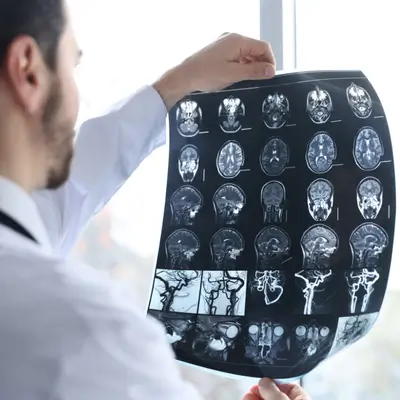
How Are These Conditions Diagnosed?
Accurate imaging plays a key role in planning treatment.
Diagnostic methods include:
- MRI / CT scans – identify tumors and structural changes
- Angiography – detailed view of blood vessels and blood supply
- Advanced imaging techniques – for precise evaluation and planning
These help in determining the safest and most effective treatment strategy.
Treatment Options
Modern Brain Aneurysm Treatment Options
Today, most aneurysms can be treated using endovascular neurointervention procedures, where specialized micro-catheters are guided through blood vessels to reach the aneurysm inside the brain.
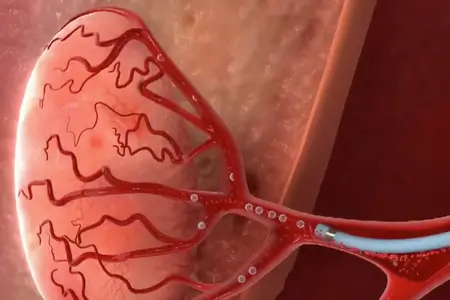
Tumor Embolization
- Minimally invasive catheter-based procedure
- Blocks blood flow to targeted areas
- Helps reduce surgical risks
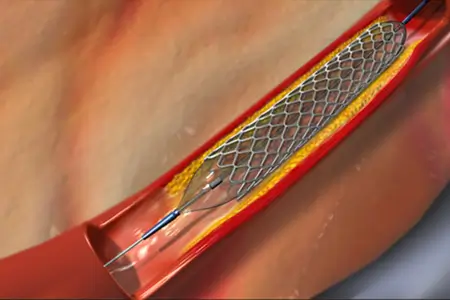
Endovascular Neuro Procedures
- Performed through small incisions
- High precision with faster recovery
- Reduced hospital stay in many cases
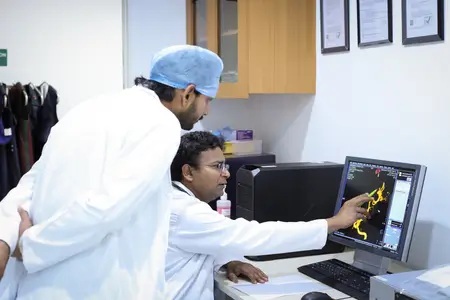
Combined Treatment Planning
- Often used alongside surgery or other therapies
- Tailored to individual patient needs
These procedures help block blood flow into the aneurysm and prevent rupture.