
When Every Second Matters
Stroke & Emergency Brain Intervention in Jaipur
A stroke is a medical emergency that occurs when blood flow to the brain is blocked or a blood vessel ruptures. Without timely treatment, brain cells can begin to suffer damage within minutes.
Immediate diagnosis and advanced neurointervention can help restore blood flow, reduce brain damage, and improve recovery outcomes. Dr. Madan Mohan Gupta provides comprehensive stroke treatment in Jaipur, including thrombolysis, mechanical thrombectomy, and advanced endovascular stroke interventions.
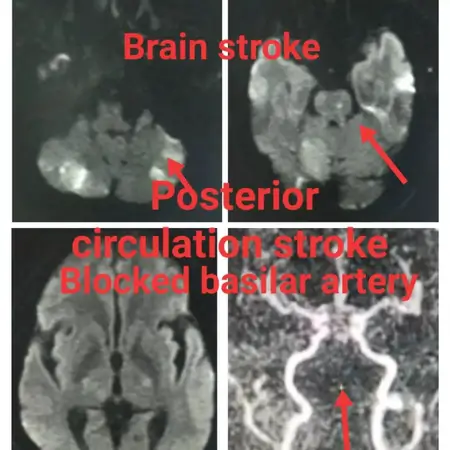
What is a Stroke?
A stroke occurs when blood supply to the brain is suddenly interrupted, either because a blood vessel is blocked by a clot or because a blood vessel ruptures and causes bleeding.
When the brain does not receive enough oxygen and blood flow, brain cells can become damaged within minutes. Stroke is a medical emergency where early diagnosis and treatment are critical.
When Every Second Matters
The sooner a stroke is recognized and treated, the greater the opportunity to restore blood flow, limit brain damage, and improve recovery.
Recognize the Warning Signs — "BEFAST !!!"
Stroke symptoms can appear suddenly. The BEFAST warning signs can help identify a possible stroke quickly.
BALANCE
Sudden loss of balance or coordination
EYES
Sudden trouble seeing in one or both eyes
Face Drooping
One side of the face appears uneven
Arm Weakness
Difficulty lifting or holding one arm
Speech Difficulty
Slurred or unclear speech
Time to Act
Seek immediate medical help
Other Possible Stroke Symptoms
Depending on the area of the brain affected, a stroke may also cause:
Timely treatment is critical to prevent permanent damage.
- Sudden weakness or numbness in the face, arm, or leg
- Difficulty speaking or understanding speech
- Sudden loss or blurring of vision
- Sudden dizziness or difficulty walking
- Sudden severe headache, particularly when accompanied by other neurological symptoms
- Confusion or changes in alertness
- Symptoms can vary depending on the type and location of the stroke.
Why Stroke Requires Immediate Treatment
A stroke can cause permanent damage when treatment is delayed. The potential risks depend on the type, location, and severity of the stroke.
Possible Risks Include:
- Permanent brain damage
- Long-term weakness or loss of movement
- Speech and communication difficulties
- Problems with vision, balance, or coordination
- Long-term disability
- Serious neurological complications
- Life-threatening consequences
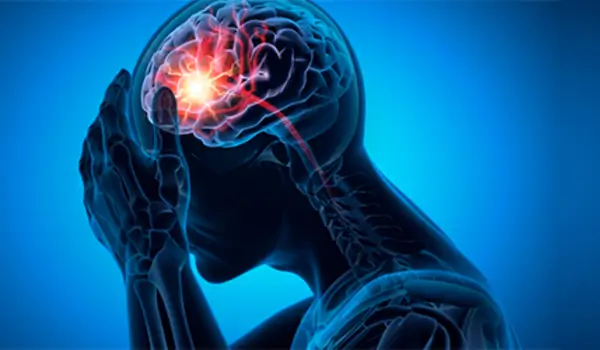
Why Time is Critical
- Faster treatment can help limit brain damage
- Early intervention can improve the chances of recovery
- Prompt treatment can help reduce long-term disability
- Delays can result in irreversible loss of brain function
Treatment Options
Advanced Stroke Treatments
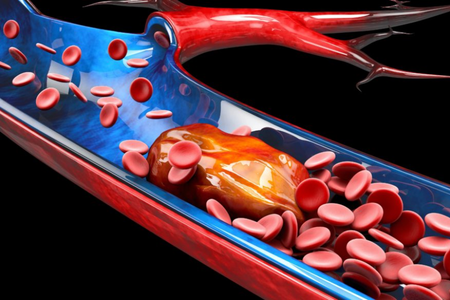
A minimally invasive procedure to remove the clot and restore blood flow
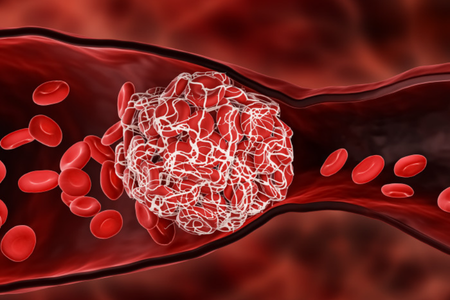
Clot-Dissolving Medication
Emergency medication used to break down blood clots in early stages
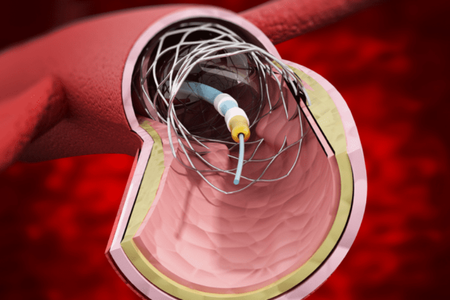
Catheter-based techniques for precise and rapid treatment
Book A Consultation
Consult Dr. Madan Mohan Gupta
Suspecting a Stroke? Act Immediately.
Early treatment can save brain function and improve outcomes.