
When Every Second Matters
Advanced AVM & AVF Treatment
Minimally Invasive Neurovascular Care
Arteriovenous malformations (AVMs) and arteriovenous fistulas (AVFs) are abnormal connections between blood vessels in or around the brain. These conditions can alter normal blood flow and, in some cases, increase the risk of brain bleeding and neurological problems.
Early diagnosis helps specialists understand the abnormal blood vessels and determine the appropriate treatment approach. Advanced neurointerventional techniques can treat many AVMs and AVFs through minimally invasive, catheter-based procedures.
- Minimally Invasive Treatment
- Advanced Brain Imaging
- Precision Neurointervention
Understanding AVM & AVF
What Is an AVM?
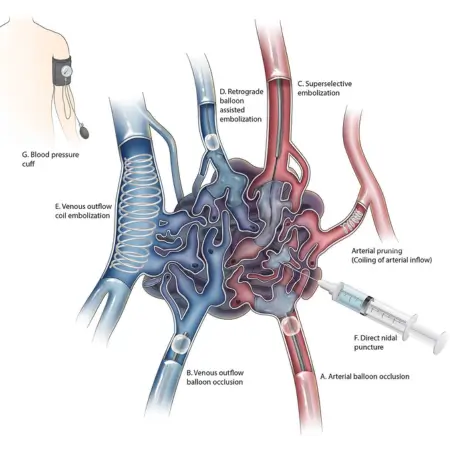
An arteriovenous malformation (AVM) is an abnormal cluster of blood vessels in which arteries connect directly to veins without the normal network of tiny blood vessels called capillaries.
This abnormal connection can allow blood to flow through the vessels at unusually high pressure, potentially affecting surrounding brain tissue and blood vessels.
What Is an AVF?
An arteriovenous fistula (AVF) is an abnormal direct connection between an artery and a vein. In the brain or its surrounding coverings, this abnormal connection can change normal blood flow and increase pressure in nearby veins.
Why Do AVM & AVF Need Attention?
Some AVMs and AVFs may cause no symptoms and may be discovered during an examination or brain scan for another reason. Others can produce neurological symptoms or lead to serious complications.
The risk depends on factors such as the location, size, blood-flow pattern, and characteristics of the abnormal vessels.
Why Early Detection Matters
Prevents bleeding risk and long term neurological damage.
Treatment Approach
Advanced catheter based techniques to safely block abnormal vessels.
Common Signs of AVM & AVF
Symptoms can vary considerably depending on where the abnormal blood vessels are located and how they affect blood flow.
- Persistent or severe headaches
- Seizures
- Weakness or numbness affecting the face, arm, or leg
- Difficulty speaking or understanding language
- Vision changes or visual disturbances
- Problems with balance or coordination
- Confusion or other changes in neurological function
- Some AVMs or AVFs may remain asymptomatic and may only be detected during brain imaging.
Why Early Diagnosis Matters
Not every AVM or AVF will cause complications, but certain vascular abnormalities can carry significant risks depending on their characteristics.
Possible complications may include:
- Brain hemorrhage or bleeding
- Seizures
- Damage to surrounding brain tissue
- Persistent neurological problems
- Weakness or loss of movement
- Speech or communication difficulties
- Vision or coordination problems
- Other long-term neurological complications
Seek Immediate Medical Attention If You Experience
Sudden severe headache,
Seizure for the first time,
Weakness or paralysis,
Sudden loss of vision,
Unexplained neurological symptoms.
Early diagnosis helps prevent complications such as brain bleeding.
Diagnosis & Advanced Imaging
Advanced Imaging for Accurate Diagnosis
- CT Scan
- MRI Brain
- CT Angiography
- Digital Subtraction Angiography (DSA)
Treatment Options
Modern AVM & AVF Treatment Options
Treatment depends on the size, location, and complexity of the abnormal vessels.
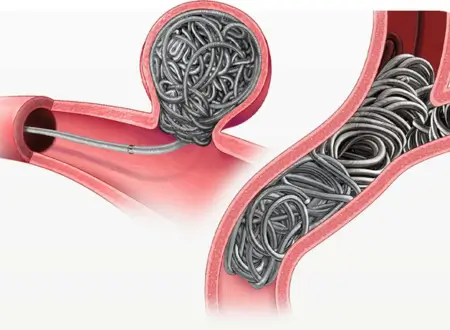
Endovascular Embolization
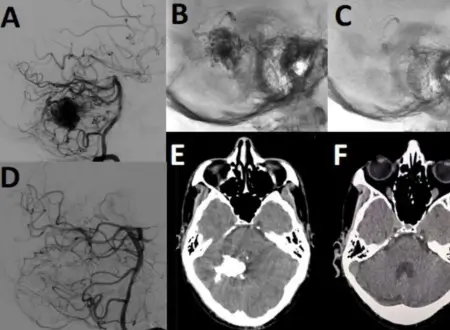
Liquid Embolic Agent Therapy
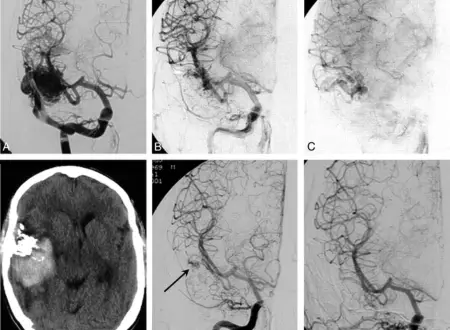
Glue or Onyx Embolization
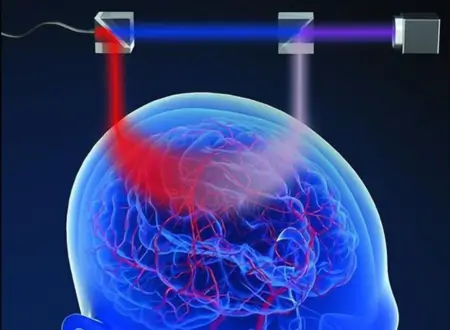
Flow Control Techniques
These treatments aim to block abnormal blood flow and reduce pressure on brain vessels, preventing future complications.