
Spinal & Complex Vascular Conditions
Understanding Spine & Vascular Health
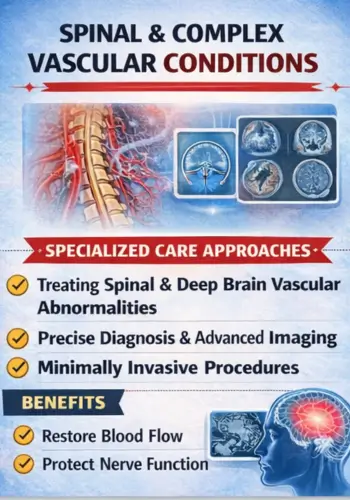
Spinal and complex vascular conditions involve abnormalities in the blood vessels of the spine or deep within the brain, which can affect normal blood flow and put pressure on surrounding nerves and tissues.
These conditions may lead to pain, weakness, or neurological complications if not identified and treated early.
What Are Spinal & Complex Vascular Conditions?
These are specialized conditions that affect the blood vessels supplying the spinal cord or deeper brain regions. They may include:
Spinal arteriovenous malformations (AVMs)
Dural arteriovenous fistulas (DAVFs)
Complex brain vascular malformations
Abnormal connections between arteries and veins
Such conditions can disrupt normal circulation and may gradually affect nerve function.

Common Causes & Risk Factors
Symptoms can vary depending on the location and severity, and may develop slowly over time.
You may experience:
Persistent back or neck pain,
Weakness or numbness in limbs,
Difficulty walking or maintaining balance,
Tingling or abnormal sensations,
In severe cases, sudden neurological changes
Early symptoms are often subtle, making timely evaluation important.
Causes & Risk Factors
Possible contributing factors:
In many cases, these conditions are congenital (present from birth), but they may also develop later due to changes in blood vessels.
- Abnormal blood vessel development
- Age-related vascular changes
- Previous spinal or neurological conditions
- Rarely, trauma or other underlying conditions
How Are These Conditions Diagnosed?
Accurate diagnosis is essential for effective treatment planning.
- MRI Spine / Brain – identifies structural and vascular abnormalities
- CT Scan – provides detailed imaging
- Angiography – evaluates blood flow and vessel structure in detail
Treatment Options
Modern Spinal & Complex Vascular Treatments
Treatment focuses on restoring normal blood flow and preventing further neurological damage.
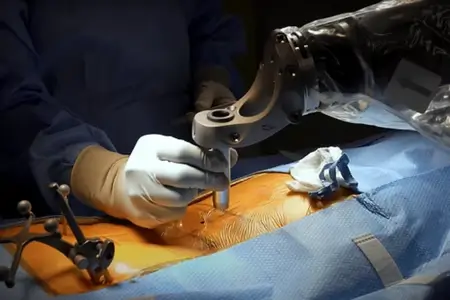
spinal Dsa
- Endovascular embolization
- A catheter-based technique to block abnormal vessels
- Reduces risk with faster recovery
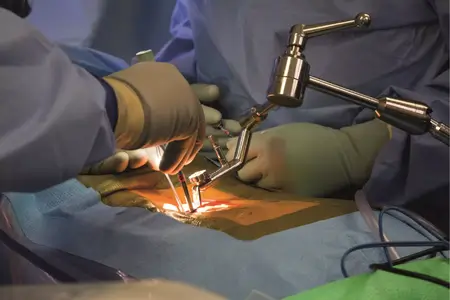
embolisation Endovascular treatment
- Recommended in selected cases
- Aims to remove or correct abnormal vascular connections
Treatment is always tailored based on the patient’s condition, symptoms, and risk factors.