
Mechanical Thrombectomy for Stroke
Advanced Clot Removal Treatment for Acute Ischemic Stroke
Mechanical thrombectomy is an advanced treatment used to remove a blood clot blocking a major artery in the brain. It helps restore blood flow to the brain without open brain surgery.
Dr. Madan Mohan Gupta provides specialised neurointervention care for selected patients with acute ischemic stroke, where quick treatment is important to protect brain function and improve the chance of recovery.
- Emergency Stroke Clot Removal
- Minimally Invasive Catheter Based Treatment
- Advanced Brain Imaging and Neurointervention
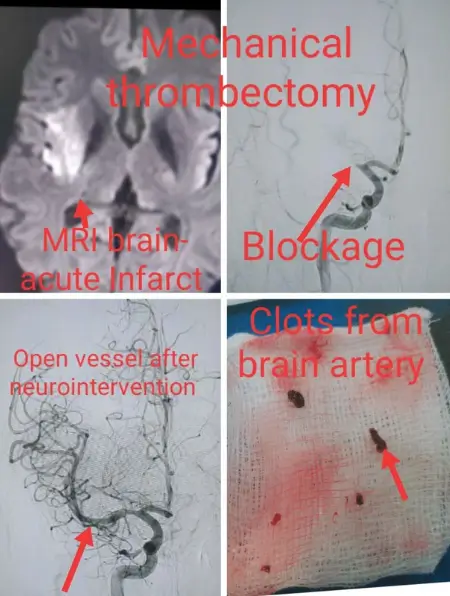
Sudden weakness, face drooping or difficulty speaking may be signs of a stroke. Seek emergency medical care immediately. Do not wait for an appointment.
What Is Mechanical Thrombectomy?
Understanding Stroke Clot Removal
A stroke can happen when a blood clot blocks an artery that supplies blood to the brain. This is called an ischemic stroke. When blood flow stops, brain cells do not receive enough oxygen and can start to become damaged.
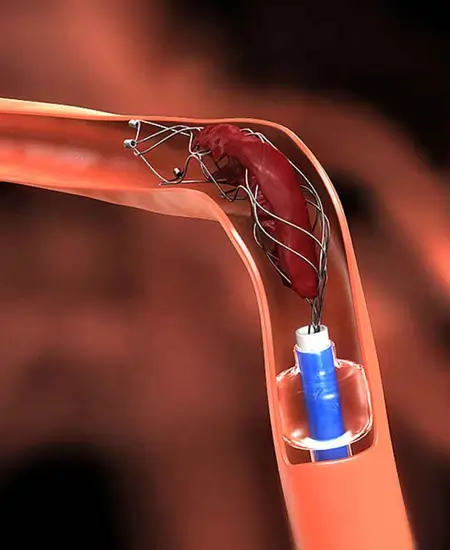
Mechanical thrombectomy is a procedure in which a specialist uses a thin tube called a catheter and special medical devices to remove the clot from the blocked artery.
The catheter is usually passed through an artery in the groin or, in selected cases, the wrist. The doctor guides it towards the blocked blood vessel in the brain using advanced imaging.
A special device may then capture the clot, or a suction device may remove it. The aim is to reopen the artery and restore blood flow as quickly as possible.
Mechanical thrombectomy is mainly used for selected patients with a blockage in a large brain artery. It is not suitable for every stroke patient, so urgent brain imaging and specialist assessment are essential.
Why Is Mechanical Thrombectomy Important?
Every Minute Matters During a Stroke
The brain needs a continuous supply of blood and oxygen. When a major artery becomes blocked, the affected brain tissue can suffer damage quickly.
Mechanical thrombectomy can help restore blood flow in eligible patients and reduce the risk of severe disability from certain types of ischemic stroke.
Key benefits of timely treatment
Helps remove a clot blocking a major brain artery.
Aims to restore blood flow to the affected part of the brain.
May reduce the extent of brain damage when performed in suitable patients.
Can improve the chance of a better functional recovery.
Uses a catheter-based approach instead of open brain surgery.
When Is Mechanical Thrombectomy Recommended?
Advanced Treatment for Selected Stroke Patients
Mechanical thrombectomy may be recommended when a blood clot blocks a major artery supplying the brain and the patient meets the required clinical and imaging criteria.
The specialist may consider:
Sudden symptoms suggesting an ischemic stroke.
Imaging that shows a blockage in a suitable brain artery.
The amount of brain tissue affected and the condition of the remaining brain tissue.
The time since the patient was last known to be well.
Other medical conditions, medicines and possible treatment risks.
When should you seek emergency care?
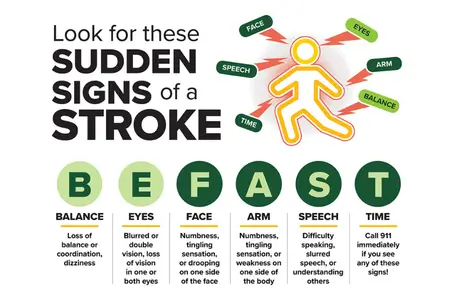
Look out for these warning signs:
- Sudden weakness or numbness in the face, arm or leg, especially on one side.
- Difficulty speaking or understanding words.
- Sudden loss of vision or double vision.
- Sudden loss of balance or difficulty walking.
- A sudden, severe headache, particularly with other neurological symptoms.
These signs can indicate a medical emergency. Call emergency services and note the time symptoms began or when the person was last seen well.
How Is Mechanical Thrombectomy Performed?
Emergency Assessment and Brain Imaging
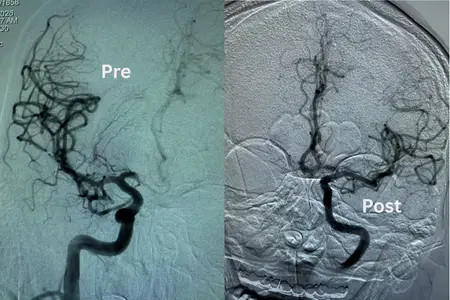
The medical team checks the patient’s symptoms, medical history and neurological condition. Brain imaging, such as a CT scan and CT angiography, is used to identify the type of stroke and locate the blocked artery. Additional imaging may be needed.
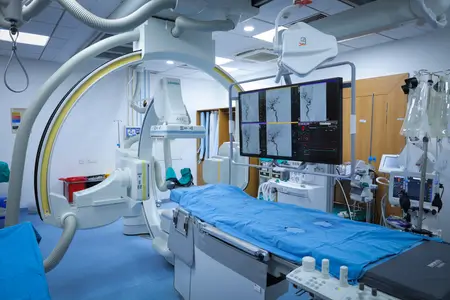
Preparing for the Procedure
The team reviews the patient’s medicines, allergies, medical history and test results. The patient is prepared for the procedure, which may be performed under local anaesthesia with sedation or general anaesthesia, depending on the clinical situation.
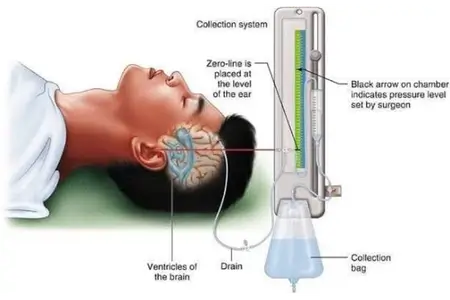
Catheter Insertion
A small opening is made in an artery, commonly in the groin. A thin catheter is inserted and carefully guided through the blood vessels towards the blocked artery in the brain.
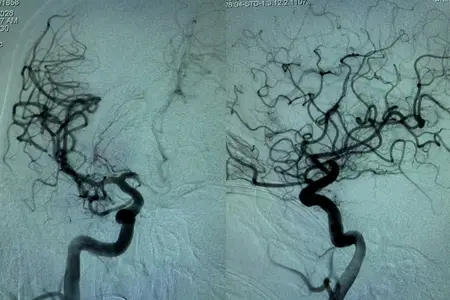
Clot Removal
Using imaging guidance, the specialist positions a clot-removal device at the blockage. A stent retriever may capture the clot, or a suction catheter may remove it. The chosen technique depends on the location and nature of the blockage.

Checking Blood Flow
The specialist checks whether the artery has reopened and whether blood is flowing through it. Additional treatment may sometimes be needed, depending on the findings.

Monitoring and Recovery
After the procedure, the patient is closely monitored in an appropriate stroke unit or intensive care setting. The team checks neurological function, blood pressure, the catheter entry site and possible complications. Further stroke treatment and rehabilitation are planned according to the patient’s condition.
Benefits, Safety and Recovery
What Are the Benefits of Mechanical Thrombectomy?
Removes blood clots blocking major brain arteries.
Helps restore blood flow to the brain.
May reduce stroke-related disability in eligible patients.
Uses a minimally invasive approach without opening the skull.
Is Mechanical Thrombectomy Safe?
Mechanical thrombectomy is an established treatment, but it carries risks such as bleeding, blood vessel injury and other complications. The doctor assesses each patient’s condition to decide whether the benefits outweigh the risks.