
Carotid & Cerebrovascular Disorders
Understanding Blood Flow to the Brain
Carotid and cerebrovascular disorders affect the blood vessels that supply oxygen-rich blood to the brain. When these blood vessels become narrowed, blocked, or damaged, it can reduce blood flow and increase the risk of serious conditions like stroke.
The carotid arteries, located on either side of the neck, play a crucial role in delivering blood to the brain. Any disruption in this flow can affect brain function within minutes.
What Are Carotid & Cerebrovascular Disorders?
These conditions include problems affecting the brain’s blood vessels such as:
Carotid artery narrowing (stenosis)
Blockages due to blood clots
Reduced blood flow (ischemia)
Stroke or transient ischemic attack (mini-stroke)
In many cases, these conditions develop slowly and may not show symptoms until they become serious.
Common Causes & Risk Factors
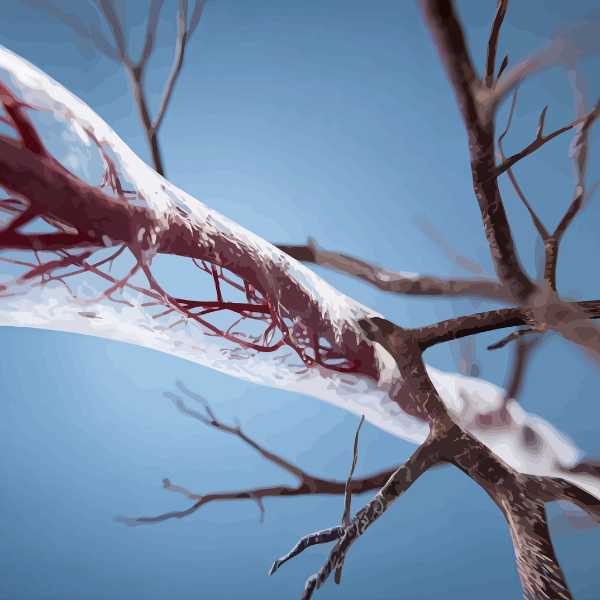
Carotid and cerebrovascular disorders are most commonly caused by the build-up of fatty deposits (plaque) inside the arteries, which narrows the blood vessels and restricts blood flow.
- High blood pressure
- High cholesterol
- Diabetes
- Smoking
- Obesity or lack of exercise
- Family history of vascular disease
Managing these factors plays a key role in preventing complications.
Seek immediate medical attention if you experience:
Sudden weakness or numbness (especially on one side of the body),
Difficulty speaking or understanding speech,
Vision problems in one or both eyes,
Dizziness or loss of balance,
Severe, sudden headache
These symptoms may indicate a stroke or mini-stroke (TIA) and require urgent care.
How Are These Conditions Diagnosed?
Early diagnosis helps prevent serious complications.
Common diagnostic tests include:
- Ultrasound (Doppler scan) – checks blood flow in carotid arteries
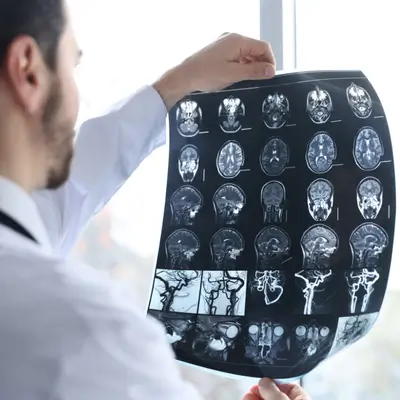
- CT / MRI scans – detect brain damage or blockages
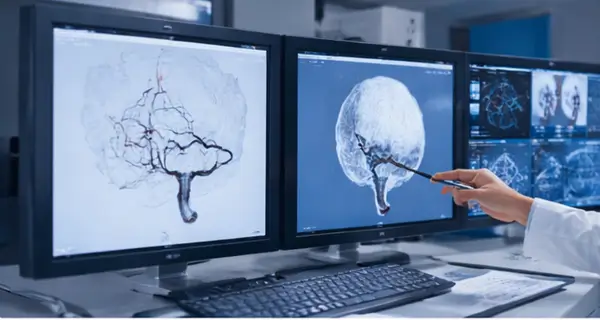
- CT Angiography / MR Angiography – detailed imaging of blood vessels
These tests help identify the severity of narrowing or blockage.
Treatment Options
Modern Carotid & Cerebrovascular Disorders Treatments
Treatment focuses on restoring and maintaining proper blood flow to the brain and preventing stroke.

Medical Management
- Blood-thinning medications
- Cholesterol-lowering drugs
- Blood pressure control
- Lifestyle modifications (diet, exercise, quitting smoking)
Minimally Invasive Procedures
- Carotid angioplasty and stenting
- A small balloon is used to open the artery
- A stent (mesh tube) keeps it open
Surgical Treatment
- Carotid endarterectomy
- Removal of plaque from the artery
- Recommended in severe blockage cases
These treatments are chosen based on the severity and overall health of the patient.